
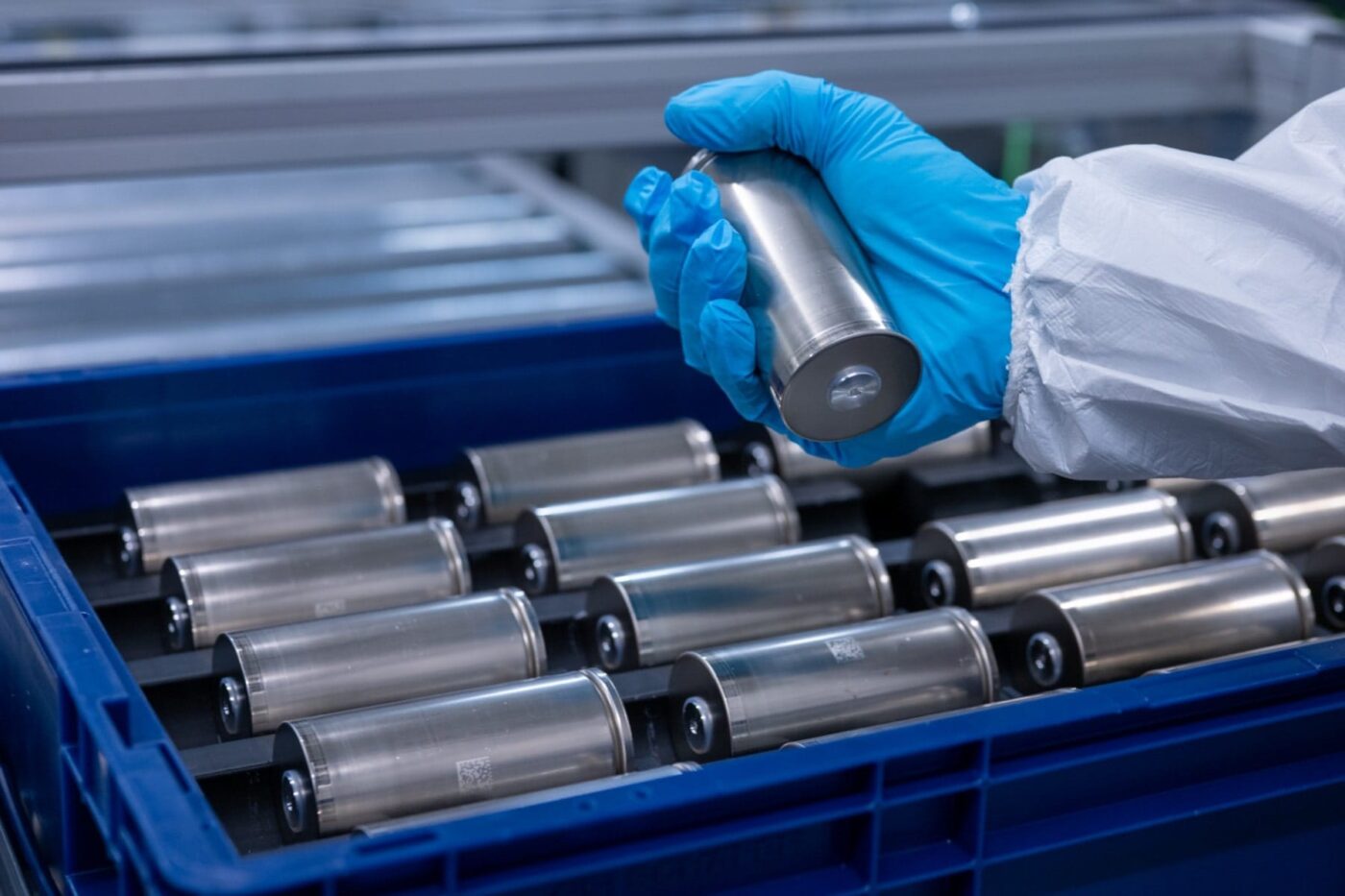
The BMW Group and Encory GmbH have officially commissioned the new Cell Recycling Competence Center (CRCC) in Salching, Lower Bavaria. This milestone marks a significant advance in the joint implementation of an innovative direct recycling process. For both the construction and operation of the new facility, BMW Group and Encory are working closely with regional partners.
Innovative direct recycling enables recovery and reuse of battery raw materials
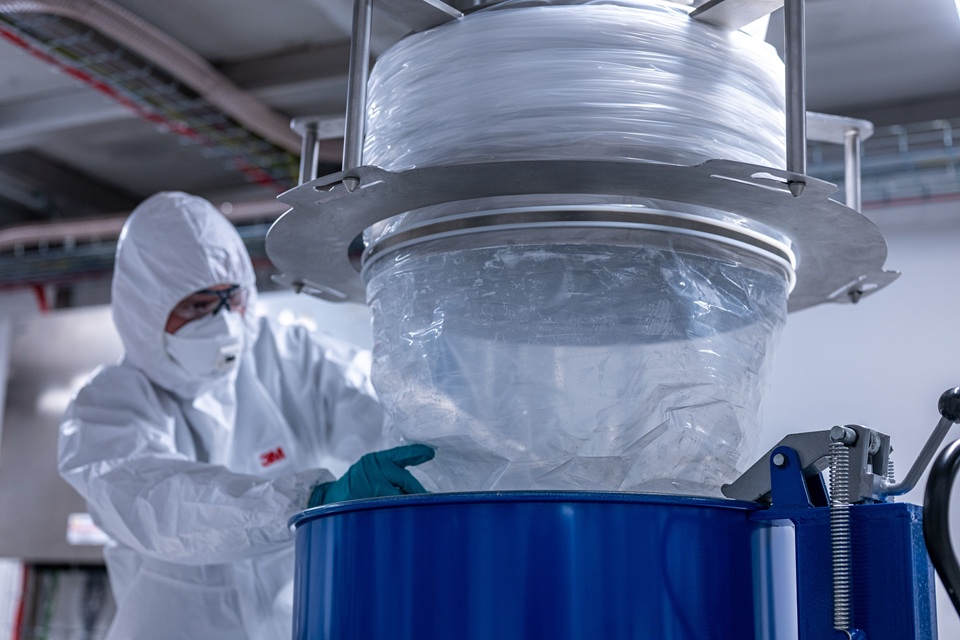
Direct recycling makes it possible to mechanically dismantle residual materials from battery cell production, including complete battery cells. Rather than fully reverting materials to their original chemical state, the recovered raw materials are “directly” reintroduced into the battery cell manufacturing process. Developed by BMW Group experts, this approach eliminates the need for conventional, energy-intensive chemical or thermal processing.
At the CRCC, direct recycling will be gradually scaled up. Once fully operational, the center is expected to recycle battery cell material in the mid-double-digit tonne range annually. The recovered materials will be reused directly in pilot battery cell production at BMW Group’s Cell Manufacturing Competence Center (CMCC) in Parsdorf.
Direct recycling: a forward-looking technology
“Our direct recycling process places us among the leaders in the industry,” says Markus Fallböhmer, Senior Vice President of Battery Production at BMW AG. “This technology offers enormous potential to further optimise battery cell manufacturing.” In the future, it may also enable cell manufacturers to implement direct recycling in series production for the first time.
Joint venture operates the Competence Center – intellectual property retained by BMW Group
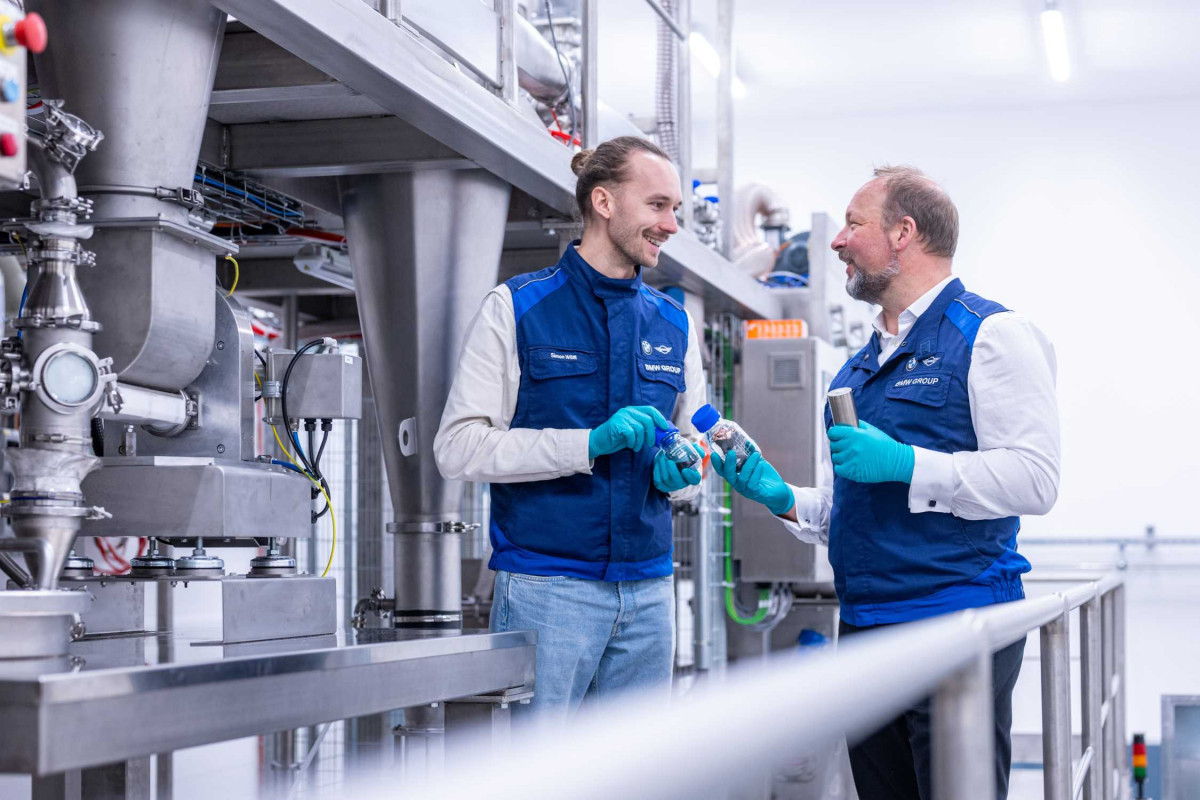
The new Competence Center is housed in an existing facility in Salching (Straubing-Bogen district). The site includes approximately 2,100 m² of production and warehouse space, nearly 350 m² of offices and break areas, and rooftop photovoltaic systems. While Encory GmbH is responsible for building and operating the center, all intellectual property related to the recycling process remains entirely with the BMW Group.
Encory is a joint venture between the BMW Group and the Interzero Group, with each partner holding a 50 percent stake. The company develops and implements logistics and consulting solutions for the recovery, recycling and reconditioning of vehicle components. Around 20 employees will work at the new Competence Center.
Strong regional partnerships
With the exception of one Swiss company, only German firms were involved in the construction and operation of the CRCC. Nearly half of these partners are located within a 100-kilometre radius of Salching, underscoring the project’s strong regional focus.
Bavaria as an ideal location for the new Competence Center
BMW Group’s battery cell expertise is concentrated at its Competence Centers in Munich, Parsdorf and Salching. The Battery Cell Competence Center (BCCC) in Munich provides cutting-edge laboratories and research facilities for developing next-generation high-voltage battery cells and producing small quantities. The most promising cell designs are then scaled up for series production on a pilot line at the Cell Manufacturing Competence Center (CMCC) in Parsdorf.
Surplus material from pilot production in Parsdorf will be recycled at the CRCC in Salching. The recovered raw materials are then fed back into cell production, ensuring short transport distances between all Competence Centers and preventing the loss of valuable resources. Together with the BCCC and CMCC, the CRCC represents the next strategic step in BMW Group’s battery cell roadmap toward a circular economy.
Circular economy at BMW Group
The BMW Group considers the circular economy a key lever for achieving more resource-efficient mobility. Its strategy focuses on keeping materials in continuous use, preserving their value over the long term. This approach is guided by the principles of Re:Think, Re:Duce, Re:Use and Re:Cycle.
From vehicle design and production through to recycling and reuse, BMW Group aims to ensure that vehicles can serve as valuable sources of raw materials at the end of their life cycle. The company is steadily increasing the share of recycled materials and returning selected production residues to suppliers or processors for recovery and reintegration into new manufacturing processes. As a result, recycled and reused materials are already being incorporated into BMW Group vehicles today. Achieving a true circular economy requires holistic thinking across the entire value chain—from product design to vehicle recycling.
Source: press.bmwgroup.com